
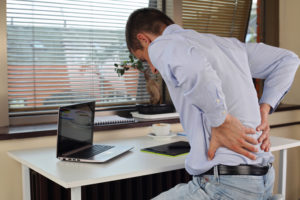
You might not be surprised to learn that the most common medical complaint is low back pain. The lower back is the source of so much discomfort because it carries most of the body’s weight and is essential to nearly every movement we make. Repetitive stress from exercise, poor posture, a sedentary lifestyle, injury, and a high BMI are among the most common causes of lower back pain. While many cases are resolved quickly with proper treatment, more severe or chronic back pain can require ongoing care. Understanding the causes, treatments, and preventative strategies for low back pain is critical for maintaining long-term spinal health.
Dealing with Back Pain
As the most common medical complaint in the US, back pain is also a multimillion-dollar industry, where gimmicks and quick fixes are often marketed to people in pain. Unfortunately, there are no shortcuts to a healthy back. You either receive the correct treatment, or your pain persists. Untreated lower back pain can lead to chronic discomfort, mobility issues, and even a reduced quality of life.
Chiropractors see countless patients who suffer from low back pain. Most patients arriving at a chiropractic office are experiencing either back pain or neck pain. Nearly everyone will experience some form of back discomfort during their lifetime because this can be a natural consequence of walking upright. Chiropractors treat lower back pain by aligning the spine and providing exercises and stretches to strengthen the body. A misaligned spine can either cause lower back pain or prevent proper healing.
Spinal adjustments can help to properly align the spine and allow the body’s natural healing mechanisms to function at their best. In addition to spinal adjustments, chiropractors often use therapies like electrical stimulation and cold lasers to reduce pain and inflammation. Studies show that chiropractic care can be more effective in treating chronic low back pain than medications alone. The goal is not just to mask the pain but to address the root causes so that you can experience long-term relief.
What Causes Lower Back Pain in Females
Understanding what causes lower back pain in females is essential, as certain factors can increase susceptibility. Women may experience lower back pain due to hormonal changes, pregnancy, menstruation, and osteoporosis. During pregnancy, the body produces hormones that help loosen ligaments in the pelvic area and spine, which could potentially cause instability and pain.
Changes in posture due to the growing baby can also place extra stress on the lower back. Additionally, conditions such as endometriosis, ovarian cysts, or fibroids can manifest as low back pain, making it important for women to monitor symptoms and seek medical guidance. Postmenopausal women may also experience increased lower back pain due to decreased bone density and muscle mass.
Exercises for Lower Back Pain
Incorporating exercises for lower back pain into your daily routine can prevent further injury and alleviate existing discomfort. These exercises focus on strengthening the core muscles, which support the spine, and improving flexibility in the hips and hamstrings. Some highly recommended exercises include:
- Bridges: Lie on your back with knees bent and feet flat on the floor. Lift your hips while tightening your glutes and core, then slowly lower back down. This strengthens the lower back and glutes.
- Bird-Dog: Start on hands and knees, extend one arm forward and the opposite leg backward, keeping your core tight. Hold this pose, then switch sides. This promotes spinal stability and balance.
- Pelvic Tilts: Lie on your back, knees bent, feet flat. Tighten your abdominal muscles to flatten your lower back against the floor, hold, then release. This can relieve tension in the lower back.
- Cat-Cow Stretch: On hands and knees, alternate arching your back (like a cat) and then dipping it down (like a cow) to improve spine flexibility.
These exercises for lower back pain should be performed regularly but carefully. Overexertion can worsen symptoms, so it’s always best to consult with a professional before beginning a new routine.
Stretches for Lower Back Pain
Lower back pain stretches are equally vital for alleviating discomfort and maintaining spinal health. Some effective stretches include:
- Knee-to-Chest Stretch: Lie on your back and gently pull one knee toward your chest, holding for 15-30 seconds. Switch legs and repeat. This stretch relieves tension in the lower back.
- Seated Spinal Twist: Sit on the floor with legs extended. Cross one leg over the other and twist your torso toward the bent knee. This increases spinal mobility.
- Child’s Pose: Kneel on the floor, sit back on your heels, and stretch your arms forward, lowering your chest toward the floor. This stretch relaxes the lower back muscles.
- Hamstring Stretch: Sit with one leg extended and reach toward your toes, keeping the back straight. Tight hamstrings often contribute to lower back pain, so this stretch is essential.
Incorporating lower back pain stretches into your routine can reduce stiffness, improve flexibility, and prevent injuries. Doing these stretches consistently, especially after exercise or long periods of sitting, helps maintain a healthy spine.
Lifestyle Factors That Influence Lower Back Pain
Several lifestyle factors contribute to low back pain. Sedentary habits, poor posture, and extended periods of sitting are significant contributors. For example, working at a desk without proper ergonomic support can put strain on the lower back over time. Lifting heavy objects incorrectly, wearing high heels, and even sleeping on an unsupportive mattress can also exacerbate lower back pain. Maintaining a healthy weight, engaging in regular physical activity, and using proper body mechanics during daily activities are crucial for preventing and managing lower back pain.
Nutrition also plays a role in spinal health. Diets rich in anti-inflammatory foods, calcium, and vitamin D can support bone strength and reduce low back pain related to degenerative conditions. Conversely, smoking and excessive alcohol consumption can have negative effects on healing and exacerbate chronic lower back pain.
When to Seek Professional Care
While lower back pain can sometimes improve with home care, there are instances when professional intervention is necessary. Seek a healthcare provider if your low back pain is severe, persistent for more than a few weeks, radiates down the legs, or is accompanied by numbness, weakness, or loss of bladder/bowel control. Early treatment can prevent long-term complications and chronic pain.
Chiropractors, physical therapists, and other spine specialists can assess your condition, identify the underlying causes, and create a personalized treatment plan. This plan often includes spinal adjustments, lower back pain stretches, exercises for lower back pain, and lifestyle modifications tailored to your needs.
Preventing Lower Back Pain
Prevention is always better than treatment. Practicing good posture, staying active, and maintaining a strong core are essential steps in preventing lower back pain. Simple habits like standing up frequently during long periods of sitting, using ergonomic chairs, and lifting objects correctly can make a substantial difference. Regularly performing stretches for lower back pain and exercises for lower back pain strengthens supportive muscles and reduces the likelihood of future injuries.
For women, addressing factors that contribute specifically to what causes lower back pain in females, like hormonal changes, pregnancy, and bone density, can be especially beneficial. Prenatal exercises, postnatal recovery routines, and monitoring spinal health after menopause are all strategies that can reduce the frequency and intensity of lower back pain in females.
Choose AICA Orthopedics for Lower Back Pain
Lower back pain is more than just a nuisance; it’s a common medical issue that can affect every aspect of your life. Whether your pain stems from injury, repetitive strain, lifestyle factors, or conditions unique to women, getting prompt treatment is essential. Regular lower back pain stretches and exercises for lower back pain, combined with professional care and healthy habits, can prevent chronic discomfort and improve your quality of life. By understanding the causes, seeking proper treatment, and incorporating daily preventive practices, you can take control of your spinal health and reduce the burden of low back pain for years to come. Get in touch with AICA Orthopedics in Snellville today to get started on your lower back pain treatment.