
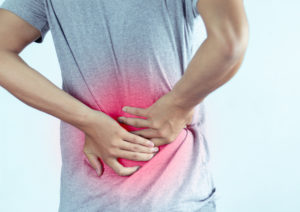
While car accidents often affect the whole body, certain areas are particularly vulnerable, including the neck and lower back. The lower back is complex because it is not only a part of the spine but also contains multiple joints and significant nerve endings. While injuries to this area are common after a car accident, this also means that a chiropractor in Snellville will be familiar with these injuries and have numerous options for treatment.
Understanding Low Back Pain After a Car Accident
Experiencing low back pain after a car accident is common, but the severity and duration can vary depending on the type of accident, position during impact, and any pre-existing conditions. Pain may appear immediately or develop hours or days later. This delayed pain can often result from inflammation, small tears in ligaments or muscles, or subtle misalignments in the spine.
Low back pain often presents as a dull ache, stiffness in the morning, or sharp, shooting pain when bending or twisting. Some people may experience pain radiating down the legs due to nerve compression. Identifying the type and location of pain is important for chiropractors to determine the best treatment strategy.
Common Lower Back Injuries
The lower spine, also known as the lumbar spine, is a series of interconnected bones, joints, nerves, ligaments, and muscles that all work together. This structure provides support, strength, and flexibility to the back and the rest of the body. This complexity also means that the lower back can be injured in a range of ways, especially after a traumatic event like a car accident.
Car accident injuries can occur in the muscles, nerves, or bones of the lower back. Most injuries occur in the discs, joints, and bones in this area, but there is a significant overlap of nerve supply to many of these areas. This means the brain can struggle to identify the cause of the pain, making it difficult for you to pinpoint the cause of your symptoms without visiting a chiropractor in Snellville.
Common injuries include the following.
Disc Damage
When the discs between your vertebrae are damaged, moved, or ruptured during an accident, they often spill out of place and compress the surrounding spinal nerves. This can lead to pain, numbness, and tingling in the spine and areas impacted by those nerves. Injuries to the spinal discs can be particularly painful for women, who may experience an increase in symptoms due to anatomical differences or hormonal influences affecting ligament flexibility.
Lumbar Sprains
When the ligaments of the back are stretched or torn, this is known as a lumbar sprain. This is common when the body has sustained trauma. Gentle stretches for lower back pain, such as knees-to-chest or seated spinal twists, can help relieve tension in the muscles surrounding the injured ligaments.
Spinal Stenosis
This is a condition that occurs when the bone channel that holds the spinal cord and spinal nerves narrows. The narrowing usually occurs over time, but a severe trauma can cause a disc or bone fragment to invade the spinal canal and cause an accelerated onset. Early recognition of spinal stenosis symptoms, including numbness or tingling in the legs, is crucial for effective treatment and to prevent long-term nerve damage.
What Causes Lower Back Pain in Females?
Lower back pain can present differently in females due to anatomical, hormonal, and lifestyle factors. Wider hips, hormonal fluctuations, pregnancy, or postpartum changes can all influence spinal alignment and muscle support. These factors can exacerbate injury after a car accident, making recovery more complex. Understanding what causes lower back pain in women allows for a more personalized treatment approach, including targeted exercises for lower back pain and stretches to relieve muscle tension.
Treating Lower Back Pain at Home
When you start to notice lower back pain, you will likely want to seek immediate relief from the pain. You should begin looking for a chiropractor in Snellville, but in the meantime, there are methods you can use to reduce pain at home.
Rest is always key for any pain following an accident. Staying in bed and avoiding strenuous activity can be a good way to avoid pain while you wait to visit the chiropractor. You should not stay in bed for more than a couple of days, as a lack of activity can make problems worse over time, but throughout any treatment, it is important to be gentle with your back. During rest periods, you can alternate hot and cold therapy and use over-the-counter medication sparingly to further address pain.
While rest is important, inactivity can make low back pain worse. Gentle movement, such as short walks, light stretching, or performing prescribed lower back pain exercises, helps maintain flexibility and strengthens supporting muscles. For example, pelvic tilts, bridges, and bird-dog exercises can help stabilize the spine and prevent further injury.
Like staying in bed can be harmful, long periods of sitting may also exacerbate your back pain. If you have to sit for a long period, set a reminder to get up and walk every 20 to 30 minutes to stretch your back. If you feel you need further support, a back brace can be temporarily helpful.
Incorporating stretches for lower back pain into daily routines is also critical.
Simple stretches, such as seated spinal twists, hamstring stretches, or knees-to-chest movements, can relieve tension and improve blood flow. Over time, these habits not only relieve pain but also help prevent recurrent injuries, particularly for women who may be more prone to lower back discomfort due to anatomical differences.
Professional Treatment for Lower Back Pain
Like any injury, lower back problems should always be addressed by a medical professional. If nothing else, they can rule out severe injuries that may require urgent treatment. Treat back pain with tips from our chiropractors. An experienced chiropractor in Snellville will also be able to address the root cause of your pain in addition to finding relief.
Noninvasive Treatments: Chiropractic Care and Physical Therapy
For most cases of lower back pain, noninvasive treatments are the first line of defense. Chiropractic care focuses on manually adjusting the spine to correct misalignments, reduce nerve compression, and relieve pain. By restoring proper alignment, chiropractors can help improve mobility, reduce inflammation, and allow injured muscles and ligaments to heal more effectively.
Physical therapy is often combined with chiropractic adjustments to strengthen the core, glutes, and other supporting muscles of the lumbar spine. Exercises for lower back pain may include pelvic tilts, bridges, bird-dog movements, and gentle stretches for lower back pain. These exercises help stabilize the spine, improve posture, and reduce the risk of reinjury. Low-impact aerobic activities, such as walking, swimming, or stationary cycling, are often included to increase circulation, reduce stiffness, and promote overall spinal health.
Chiropractors may also incorporate soft tissue therapies, such as massage or myofascial release, to reduce tension in surrounding muscles. In some cases, heat therapy or targeted stretching routines are recommended to enhance flexibility and relieve discomfort. Patients often see gradual improvements when they follow a structured program combining chiropractic adjustments, physical therapy, and daily home exercises.
Medications and Pain Management
When pain is more severe or persistent, medications may be used in conjunction with noninvasive therapies. Over-the-counter options like acetaminophen or anti-inflammatory medications can help reduce pain and swelling. For more severe cases, a pain management specialist may prescribe stronger medications or muscle relaxants to manage discomfort while the underlying injury heals.
In addition to oral medications, certain interventional techniques can provide relief for patients experiencing nerve-related pain or chronic lower back discomfort. Epidural steroid injections, nerve blocks, or trigger point injections can target specific areas of inflammation and reduce nerve irritation, allowing patients to engage more effectively in physical therapy and daily activities. These interventions are typically temporary measures, used in combination with ongoing rehabilitation to address the root cause of the pain.
Surgical Interventions When Needed
Surgery is generally considered a last resort, reserved for cases where noninvasive treatments and pain management strategies are insufficient. Surgical options may include procedures to repair herniated discs, relieve spinal stenosis, or stabilize vertebrae through spinal fusion.
Patients undergoing surgery often follow a structured rehabilitation plan post-operation, including physical therapy and guided exercises for lower back pain.
This helps restore mobility, build strength, and prevent future injury. While surgery can provide significant relief for some patients, most people with lower back pain find success through noninvasive care and targeted rehabilitation. Surgery is only necessary when structural damage threatens nerve function, mobility, or overall quality of life.
Holistic, Team-Based Care at AICA Snellville
At AICA Snellville, our approach to lower back pain combines chiropractic care, physical therapy, pain management, and medical evaluation from specialists such as radiologists, neurologists, and orthopedists. This team-based approach ensures that both the symptoms and the root causes of pain are addressed.
A personalized care plan may include:
- Chiropractic adjustments to restore spinal alignment
- Lower back pain stretches and exercises to strengthen supporting muscles
- Low-impact aerobic activities and resistance training for balanced spinal support
- Pain management strategies, including medication or injections when necessary
By combining these strategies, patients recover more efficiently, regain mobility, and reduce the risk of future injury. The ultimate goal is not just short-term pain relief, but long-term spinal health and improved quality of life. For patients with chronic or recurring lower back pain, this comprehensive approach provides a clear path toward recovery, functional strength, and overall wellness.
Lifestyle Factors and Prevention
Maintaining a healthy weight, staying active, and practicing proper ergonomics are essential for preventing future lower back pain. Sedentary behavior, poor posture, and heavy lifting without proper technique can exacerbate existing injuries. Women may also benefit from targeted core and pelvic floor exercises, particularly during pregnancy or postpartum periods, to maintain spinal stability and reduce the risk of pain recurrence.
Daily routines that incorporate lower back pain stretches and exercises can make a significant difference. For example, performing 10–15 minutes of gentle stretching each morning, followed by short mobility exercises throughout the day, keeps muscles engaged and joints flexible. Over time, these habits promote recovery and prevent chronic pain.
When to Seek Immediate Care
While most lower back pain improves with rest, exercises, and chiropractic care, certain symptoms require urgent attention. Seek immediate medical care if you experience severe pain, numbness or tingling in the legs, weakness, or loss of bladder or bowel control. These signs may indicate nerve compression or spinal injury that requires immediate intervention.
Choose AICA Orthopedics for Car Accident Treatment
Lower back pain after a car accident is a complex issue that affects mobility, comfort, and daily activities. While home care, stretches, and exercises can alleviate discomfort, professional evaluation by a chiropractor in Snellville ensures proper diagnosis and targeted treatment.
Understanding what causes lower back pain in females, incorporating lower back pain stretches into daily routines, and performing exercises for lower back pain can significantly improve recovery outcomes. Holistic care, including chiropractic adjustments, physical therapy, and lifestyle modifications, provides both short-term relief and long-term spinal health.
At AICA Snellville, our multidisciplinary approach provides individualized care to address symptoms and underlying causes of lower back pain. Whether acute or chronic, early intervention and a comprehensive treatment plan help restore mobility, strength, and quality of life. Don’t ignore persistent lower back pain; schedule an evaluation today and take the first step toward lasting relief!