
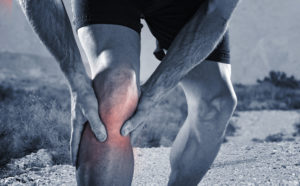
Everyone will experience some kind of joint pain in their lifetime, from a sprained ankle at a sporting event to a chronic condition like arthritis. As you age, you might start to experience more joint pain as your joints slowly start to wear down due to general wear and tear on the body or other causes like arthritis. Chronic joint pain typically develops from degenerative conditions, though it is also possible to experience chronic joint pain from an injury that didn’t heal properly. No matter what the cause of your joint pain, you might want to search for “orthopedic doctors near me” to find lasting relief.
Causes of Chronic Joint Pain
Chronic joint pain often stems from inflammation, injury, or long-term wear and tear on the joints. Unlike temporary aches or soreness from overexertion, chronic joint pain persists for weeks, months, or even years, often affecting daily life and mobility. Understanding the root causes of chronic joint pain is an essential step toward finding effective relief and preventing further joint damage.
- Osteoarthritis is one of the most common causes of chronic joint pain, a degenerative condition. Osteoarthritis occurs when the protective cartilage that cushions the ends of bones gradually wears down, leading to bone-on-bone friction, inflammation, and persistent pain. It is especially common in weight-bearing joints, including the knees, hips, and spine, and its risk increases with age.
- Rheumatoid arthritis is an autoimmune condition in which the body’s immune system mistakenly attacks the lining of the joints, causing inflammation, swelling, and pain. Rheumatoid arthritis can affect multiple joints and is often accompanied by stiffness, particularly in the morning, and fatigue.
- Injuries and trauma can also lead to chronic joint pain. For example, a sprain, fracture, or dislocation that did not heal properly can leave a joint unstable or cause lingering inflammation. Over time, even minor injuries may develop into chronic pain if they are not adequately treated or rehabilitated.
- Tendonitis and bursitis are other common sources of chronic pain. Tendonitis is inflammation of the tendons, which are the cords that connect muscles to bones, while bursitis involves inflammation of the bursae, small fluid-filled sacs that cushion the joints. Both conditions are often the result of repetitive motion or overuse and can create persistent discomfort in the shoulder, elbow, knee, or hip.
- Obesity and excess weight are also potential risk factors for chronic joint pain, particularly in weight-bearing joints. Carrying additional pounds increases stress on the knees, hips, and spine, accelerating cartilage wear and exacerbating inflammation. This is why weight management is often an essential part of chronic joint pain treatment plans.
- Genetics and family history can also play a role. Certain people may have inherited traits that make them more susceptible to joint conditions such as osteoarthritis or autoimmune arthritis, making them more likely to experience chronic pain even at younger ages.
- Lifestyle factors such as inactivity, poor posture, and repetitive strain can contribute to chronic joint discomfort. Without adequate movement, muscles weaken, joint flexibility decreases, and the body’s natural mechanisms for joint lubrication and repair are less effective, increasing the likelihood of persistent pain.
- Recognizing the underlying cause, or combination of causes, of chronic joint pain allows doctors to tailor treatment plans more effectively. From managing inflammation and strengthening supporting muscles to addressing lifestyle factors, understanding what drives joint pain is the first step toward lasting relief.
7 Top Treatments for Chronic Joint Pain
1. Rest
Making time to rest the affected area gives your body a chance to heal and recover. Especially when your chronic joint pain is worsened by certain movements, you need to build time into your schedule to allow for proper amounts of rest. The best way to relieve your pain is by taking the pressure off your joints, which is where rest comes in. However, there is a balance to rest because you don’t want to completely stop certain movements, or else you risk becoming stiff and actually increasing your knee pain. Combining rest with gentle movement or low-impact exercises, such as stretching or water aerobics, can help maintain joint mobility while avoiding further injury. Structuring your day to include short periods of rest for affected joints, rather than complete inactivity, can create a balance that promotes long-term relief.
2. Ice & Heat
Using ice and heat strategically can be a powerful way to manage chronic joint pain at home. Ice therapy, or cryotherapy, is particularly effective within the first 24 to 48 hours after acute pain flare-ups or inflammation. The cold constricts blood vessels, slows nerve activity, and helps reduce swelling, making it ideal for joints that feel tender or are visibly inflamed. Heat therapy, on the other hand, is better for chronic stiffness or soreness. Warm compresses or heating pads help muscles surrounding the joint to relax, increase flexibility, and improve the joint’s overall range of motion. Many people find alternating between the two methods—such as icing for 15–20 minutes, then using heat for 20–30 minutes—can offer the combined benefits of reduced inflammation and improved circulation. Additionally, heat can also stimulate synovial fluid production, which lubricates joints and can reduce friction that contributes to pain.
3. Medication
You might try over-the-counter pain medications at home to address your chronic joint pain. However, medications will only address your symptoms and cannot treat the root cause of your pain. Pain medications like NSAIDs can help reduce your joint pain and stiffness, as well as swelling and inflammation. These medications likely won’t be enough to help with the pain, but you can talk to your doctor about how this might supplement your treatment options. While many pain medications can provide short-term relief, they work best when combined with lifestyle adjustments, exercise, and other therapies that target the underlying causes of joint pain. It’s important to consult a healthcare professional before starting or changing any medication regimen to ensure safety and effectiveness.
4. Physical Therapy
Your doctor may recommend physical therapy to help reduce your pain and improve your mobility. Stretches and exercises can help your joints and the muscles that support them. Physical therapy plays a vital role in improving joint function and reducing pain over the long term. A licensed physical therapist will assess the specific joints affected and develop a personalized exercise program. This may include strength training to build supportive muscles around the joint, range-of-motion exercises to prevent stiffness, and stretching to maintain flexibility. Low-impact exercises such as swimming, cycling, or resistance band workouts can help strengthen joints without adding excessive stress. Additionally, your physical therapist may incorporate modalities like ultrasound, electrical stimulation, or manual therapy to promote healing and reduce discomfort.
5. Steroid Injections
In certain cases, your doctor may recommend steroid injections to help with chronic joint pain. While steroid injections aren’t a cure for joint pain, they can provide you with longer periods of relief from chronic joint pain so you can work with your doctor to relieve pressure from the affected joints. Steroid injections, typically administered directly into the affected joint, work by delivering anti-inflammatory medication where it’s needed most. These injections can be particularly effective for joints that are inflamed due to conditions like osteoarthritis or bursitis. Relief can last from several weeks to months, giving patients a valuable window of time to participate in physical therapy, exercise, or other treatments without severe pain. Your doctor will weigh the benefits and risks to determine the optimal injection schedule. In
6. Losing Weight
Obesity is a common reason for chronic joint pain because carrying additional weight puts extra pressure on joints, especially the hips, knees, and ankles. Losing weight can help to remove that extra pressure off of your joints so they can function better. This will also help encourage healthy blood flow and nutrients to the affected area. Even modest weight loss can translate into meaningful relief, taking pressure off the knees during everyday activities. Weight management can be achieved through a combination of diet, exercise, and lifestyle changes. Anti-inflammatory diets rich in fruits, vegetables, whole grains, and healthy fats can reduce joint inflammation and improve overall health. Engaging in low-impact physical activity not only burns calories but also strengthens muscles that support the joints.
7. Joint Surgery
In the most serious cases of chronic joint pain, your doctor may recommend surgery. There are different types of joint surgery depending on what joints are affected and the root cause. Your doctor will discuss whether surgery is the right option for you if you struggle with chronic joint pain. Surgery is typically considered a last resort when conservative treatments fail to provide adequate relief. There are multiple types of surgical options depending on the severity and location of the joint damage. Recovery from surgery usually involves physical therapy to restore mobility, strength, and function. Surgical intervention can be life-changing for individuals with severe chronic joint pain, significantly improving their quality of life and allowing them to return to normal daily activities. Your doctor will carefully evaluate your overall health, activity level, and specific joint damage before recommending the most appropriate surgical procedure.
AICA Snellville for Chronic Joint Pain Treatment
At AICA Orthopedics in Snellville, our teams of orthopedic doctors work together on a multi-specialty team of doctors to provide each patient with quality, comprehensive care.