
 Neck crepitus may sound like a scary condition, but if you’ve ever turned your head and heard a crack, pop, or grinding noise, then you’ve experienced it. These sounds are often harmless, but they can be unsettling and sometimes even linked to underlying conditions.
Many people describe the sensation as the “popping of the neck” or a grating feeling when moving. But what exactly is happening inside your cervical spine, and should you be concerned?
What Does Neck Crepitus Mean?
The word “crepitus” refers to popping, clicking, or crackling sounds that occur in joints. Crepitus in the neck happens when air bubbles in joint fluid burst, ligaments snap over bone, or roughened joint surfaces grind against each other. It’s similar to the sounds you hear when cracking your knuckles. Most of the time, these noises are harmless, but if they’re accompanied by pain, stiffness, or other symptoms, they may point to a deeper issue.
The popping of the neck is especially common because the cervical spine has multiple joints that allow for rotation, tilting, and bending. With so much movement, it’s not surprising that these joints sometimes make noise. Still, persistent or painful crepitus in neck movements should be evaluated by a medical professional to rule out injuries or arthritis.
Common Causes of Neck Crepitus
Several factors can cause those pops and cracks in your neck:
- Cavitation: The most common reason is gas bubbles within synovial fluid collapsing when you move. This is harmless and often produces the sudden popping sound.
- Ligament or tendon movement: Sometimes ligaments or tendons slip slightly over bone as the neck moves, creating a snapping sound.
- Arthritis: Wear and tear in the joints of the cervical spine can create rough surfaces that rub together, leading to grinding or crackling sounds.
- Injury: Whiplash or repetitive strain injuries may cause crepitus or neck sensations as tissues heal or become inflamed.
- Posture: Poor posture, especially forward head position from long hours at a desk or on a phone, can place stress on the cervical spine and contribute to crepitus.
Is Neck Crepitus Dangerous?
The big question for most people is: Is neck crepitus dangerous? In most cases, it isn’t. Harmless popping often happens with normal movement and does not indicate a serious problem.
However, there are situations where neck crepitus deserves more attention, like:
- When pain accompanies the sound: If the popping of neck movements comes with sharp pain, it may suggest injury or degeneration.
- When stiffness develops: Difficulty turning your head or reduced range of motion could point to arthritis or disc problems.
- When there’s numbness or tingling: These symptoms may suggest nerve involvement and should be checked immediately.
- After trauma: Following a fall, accident, or sports injury, crepitus may indicate structural damage.
It’s worth remembering that what feels minor today could develop into something more problematic down the road. Many patients dismiss neck crepitus as “just getting older,” but that mindset can cause people to overlook treatable conditions like cervical arthritis or disc issues.
For example, if your crepitus is accompanied by morning stiffness that improves throughout the day, it may point toward early arthritis. On the other hand, popping with sharp pain or radiating symptoms could suggest a disc or nerve-related problem. In both cases, addressing the issue sooner rather than later can prevent the need for invasive treatments later in life. So while the answer to is neck crepitus dangerous is “not always,” it’s safest to treat any persistent or worsening crepitus as a reason to get evaluated.
Conditions Linked to Crepitus in the Neck
There are some conditions that can make crepitus more likely to occur or to be worse when it does occur. You should be aware of this risk if you have:
- Cervical arthritis (spondylosis): Age-related changes to the cervical spine can roughen joint surfaces and ultimately produce grinding noises.
- Herniated disc: A bulging or herniated disc may alter how the neck joints move, leading to audible popping or crackling.
- Facet joint dysfunction: The small joints that connect vertebrae can become irritated or inflamed, producing neck crepitus.
- Whiplash injuries: Sudden back-and-forth motion, such as in a car accident, can damage tissues in the neck, sometimes resulting in ongoing popping sounds.
- Osteoarthritis and rheumatoid arthritis: Both can damage cartilage and bone, leading to persistent noise during movement.
Neck Crepitus and Posture
Modern lifestyles contribute heavily to neck issues. Hours of looking down at phones or leaning toward computer screens strain the cervical spine. Over time, this forward head posture can cause misalignment, muscle imbalance, and even early degeneration of the joints. These changes increase the chances of crepitus neck sensations.
Poor posture doesn’t just affect how you look — it changes the way your cervical spine carries the weight of your head. The average human head weighs about 10 to 12 pounds, and leaning forward by just a few inches dramatically increases that load on the neck joints. Over time, this can create early joint wear and tear, leading to more frequent crepitus in neck movements.
That’s why chiropractors and physical therapists spend so much time teaching patients about ergonomics. Small changes like adjusting your monitor height, taking screen breaks, or practicing neck retraction exercises can reduce both discomfort and crepitus. Building better posture habits now can save you years of chronic neck noise and stiffness later.
When to See a Doctor for Neck Crepitus
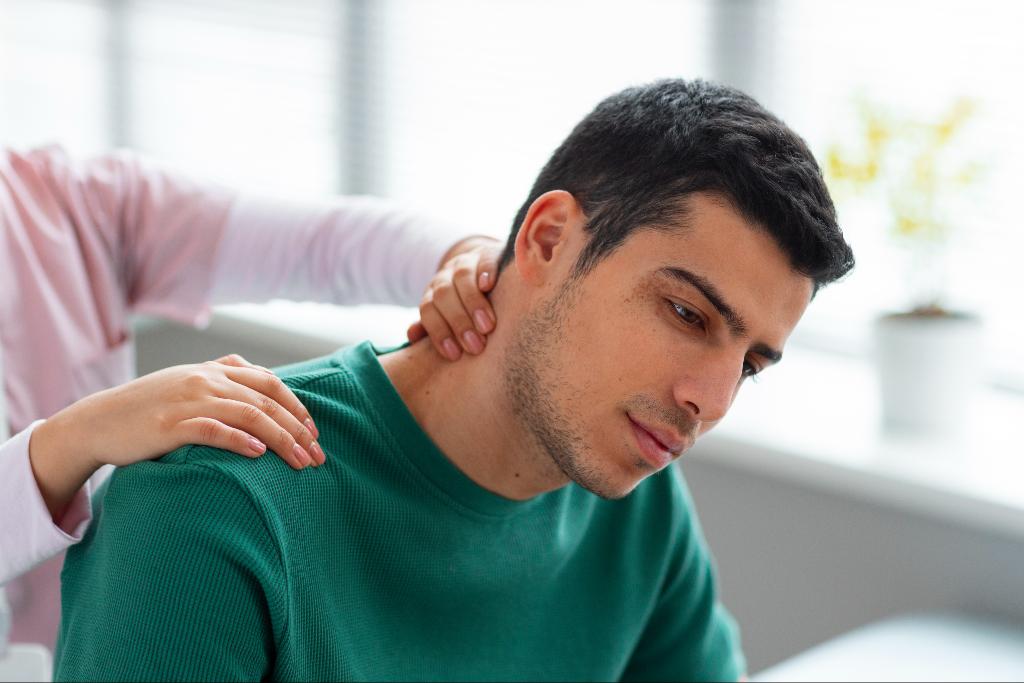 Generally, a few popping sounds with no discomfort isn’t anything to worry about. But there are some warning signs that mean you should talk to a professional to rule out more serious problems. These include:
- Pain or stiffness along with popping sounds
- Popping sounds that develop after trauma or injury
- Grinding that worsens with activity
- Numbness, tingling, or weakness in the arms or hands
- Loss of neck mobility
Any of these symptoms means you should see a spine specialist, orthopedic doctor, or chiropractor who can help you look into the root cause and determine the right treatment.
Treatment for Neck Crepitus
The best way to address neck crepitus will depend on the underlying cause. When this is just harmless cavitation, you won’t need treatment at all, but if there are underlying issues or it’s causing you discomfort, it’s time to consider your options.
The most common ways of addressing neck crepitus are:
- Gentle chiropractic adjustments to improve spinal alignment and mobility, which reduces stress and popping.
- Physical therapy exercises and stretches help strengthen muscles and improve posture.
- Anti-inflammatory drugs to ease pain linked to arthritis or injury.
- Lifestyle changes like ergonomic improvements, better posture, and stress reduction can limit strain on the cervical spine.
- Surgery in rare cases of severe arthritis or structural problems.
AICA Snellville specialists take a multidisciplinary approach, offering access to chiropractors, physical therapists, orthopedic doctors, and imaging in one place. This makes diagnosing and treating crepitus in neck problems easier and more effective.
Living With Neck Crepitus
For many people who have the condition, neck crepitus is more than just an occasional crack. It’s often described as the sensation of grinding when someone turns their head or a popping sound that occurs when looking over their shoulder, as well as a general feeling that something is “off” all day.
For others, the noises in the morning or after being sedentary are the biggest issue. While not painful, these sounds can be grating and cause anxiety, wondering if every pop means something is wrong.
This uncertainty is why it can be so important to visit a professional like a doctor or a chiropractor. They can tell you whether the crepitus is a harmless sensation or if you should be evaluated for arthritis, injury, or posture issues. Either way, it gives you peace of mind to help you manage the condition confidently.
For many people, crepitus is just a part of life. If it doesn’t cause pain or mobility problems, it’s usually harmless. Still, being proactive about posture, exercise, and spinal health can minimize how often it happens and prevent it from turning into something more serious. And if you’re ever unsure, asking your doctor, “is neck crepitus dangerous?” ensures you get peace of mind and medical guidance.
Visit AICA Snellville for Neck Crepitus Treatment
If you’ve been living with crepitus neck symptoms, you don’t have to just “deal with it.” AICA Snellville takes a team-based approach to diagnosing and treating spine conditions, including the popping of the neck that comes with crepitus.
Unlike most clinics where you see only one provider, AICA brings together chiropractors, orthopedic doctors, neurologists, physical therapists, and imaging specialists — all under one roof. This collaborative model means you won’t have to bounce between offices to find answers. Since all imaging is on-site, you can expect results that day as a part of our multidisciplinary approach, as well as a fully personalized plan to address not only the noise in your neck but also the underlying causes like arthritis, posture issues, or injury.
If you’ve been asking yourself, Is neck crepitus dangerous? or you simply want relief from the distracting sounds and discomfort, schedule an appointment with AICA Snellville now. Our team will help you understand what’s happening inside your cervical spine, provide treatment options that work, and guide you toward lasting relief. Call today and take the first step toward moving your neck freely — and quietly — again.